When you are shopping for a new air conditioner, heat pump, or HVAC system, one of the most important things to understand is how efficient that unit will be. Energy efficiency affects your monthly bills, how much cooling you get, and even your environmental impact. One of the key measurements of efficiency you’ll see is the Energy Efficiency Ratio or EER.
Let’s break down exactly what is EER, how it works, and why it matters for your cooling and heating systems.
What Does Energy Efficiency Ratio Mean?
Energy efficiency ratio for air conditioners is a rating that measures how much cooling an air conditioner delivers for each unit of electrical energy it uses. In simple terms, it tells you how efficiently an AC converts electricity into cooling power. The higher the EER, the more efficient the air conditioner is.
The formula for energy efficiency ratio calculation is straightforward:
EER=Cooling output (BTU per hour)Energy input (watts)\text{EER} = \frac{\text{Cooling output (BTU per hour)}}{\text{Energy input (watts)}}EER=Energy input (watts)Cooling output (BTU per hour)
This means if an air conditioner produces 10,000 BTUs of cooling and uses 1,000 watts of power, its EER is 10.
Because this ratio uses mixed units (BTUs and watts), it isn’t directly a physical efficiency like a percentage, but it is extremely useful for comparing different air conditioner efficiency ratings.
How Does EER Work in HVAC Systems?
In HVAC, EER is commonly used for assessing cooling efficiency at a specific outdoor temperature — usually around 95°F. By using the same test conditions across all units, manufacturers and consumers get a consistent baseline for comparison.
For central air systems and heat pumps, this number helps you understand how an air conditioner will perform on a very hot day when it is working hard. In consistently hot climates, a high EER rating could mean significant savings on energy bills.
This is why working with experienced HVAC professionals like United State Solutions is valuable. Their team can help you interpret ratings and recommend systems that deliver the best efficiency for your home or business.
Why EER Matters
Understanding what is EER in HVAC is important because it directly affects your energy usage and cost. A unit with a higher EER will deliver the same amount of cooling while consuming less electricity. That saves money and reduces environmental impact.
Some of the key energy efficiency pros of choosing an air conditioner with a strong EER rating include:
- Lower electricity bills due to better efficiency.
- Reduced greenhouse gas emissions from lower energy use.
- Better comfort because efficient units maintain temperature with less strain.
- Longer equipment life from smoother operation.
When you are ready to install or upgrade, companies like United State Solutions can help you select models with optimal EER and ensure professional installation for maximum performance.
EER vs SEER2 and Other Ratings
You might also come across terms like SEER2 and wonder how that compares to EER. Here’s a breakdown:
- EER measures efficiency at one steady high temperature, usually 95°F.
- SEER2 (Seasonal Energy Efficiency Ratio, updated rating) measures efficiency over an entire cooling season with a range of outdoor temperatures.
So when comparing EER2 vs SEER2, think of EER2 as a snapshot of performance on a hot day and SEER2 as a seasonal average. In regions with mild climates, SEER2 can give a better picture of overall performance, but if you live in an extremely hot area, a strong EER is vital.
What is a Good EER Rating for an Air Conditioner?
One of the most common questions about an energy efficiency ratio is what counts as good. For most room air conditioners, a rating of 10 or higher is considered efficient. Units with values above 12 are typically seen as high efficiency air conditioners.
Here’s a rough guide:
- Standard Efficiency: EER around 9 to 10.
- Good EER for Air Conditioner: 10 to 12.
- High Efficiency: 12+ and above.
Brands that highlight high EER ratings often belong to high efficiency air conditioner window unit designs or more advanced ductless and central systems that focus on energy savings.
Comparing EER to Coefficient of Performance
In technical fields, another term you might encounter is coefficient of performance for air conditioner (COP). COP measures the unit’s efficiency in thermodynamic terms — the ratio of useful heating or cooling to the energy input without the mixed units.
EER is closely related to COP but expresses the performance in the familiar BTU per watt measurement. A higher COP translates to a higher EER when converted. This helps engineers and HVAC professionals assess a system’s thermodynamic efficiency alongside the more consumer-friendly EER.
Air Conditioner Efficiency Ratings You Should Know
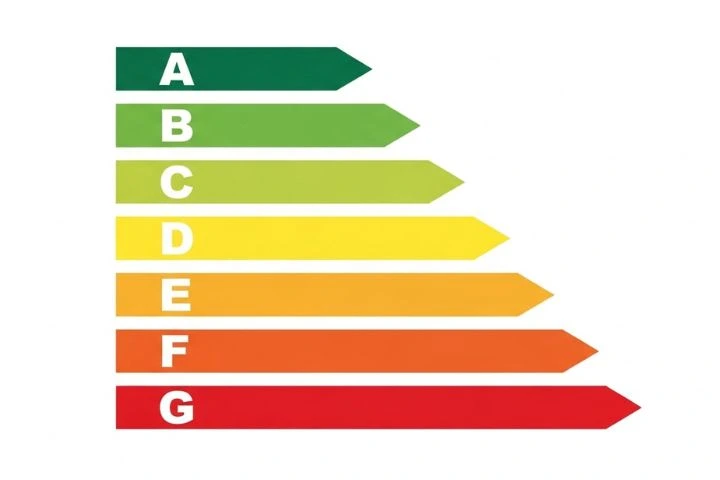
There are several efficiency ratings you will see on product labels:
- EER: Cooling efficiency at a fixed temperature.
- EER2: Updated standard for newer models with more accurate testing.
- SEER/SEER2: Seasonal efficiency.
- CEER: Combined Energy Efficiency Ratio, mainly for room and window units.
When you compare air conditioner efficiency ratings, always make sure you compare the same type (EER with EER, SEER with SEER) to get an accurate sense of performance.
What About Heat Pumps?
Heat pumps serve both cooling and heating functions. While EER still applies for cooling mode, their heating performance is often rated by other metrics like HSPF (Heating Seasonal Performance Factor) or COP, because heat pumps move heat instead of generating it directly like a resistance heater.
In heating mode, a heat pump’s efficiency can exceed 100 percent because it moves heat rather than creating it. That’s why heat pumps are often more efficient than traditional electric heaters.
Final Thoughts
Understanding energy efficiency ratio for air conditioners helps you make smarter decisions when purchasing or comparing HVAC systems. A higher EER means better efficiency, lower bills, and reduced environmental impact. Whether you are choosing a high efficiency air conditioner window unit or a central heat pump system, make sure you check the EER rating along with other efficiency metrics like SEER2 and COP to find the best match for your home and climate.
Working with knowledgeable professionals like United State Solutions ensures that you not only choose a system with a strong EER, but also get expert installation and ongoing service. Their experience can help you maximize both comfort and efficiency.
By prioritizing great efficiency ratings, you save money, boost comfort, and contribute to a greener future.